

For many homeowners, the decision to move up or relocate isn’t the hard part. It’s the timing. You find the right home, the layout works, the location fits, and the price makes perfect sense. But your current primary residence hasn’t sold yet. Suddenly, what should be an exciting opportunity turns into a stressful tradeoff. Do you rush to sell your current asset at a steep discount, or risk losing the new home to a non-contingent buyer? In fast-moving California metros like hard money lenders in San Diego, coastal hard money lenders in Los Angeles, and the San Francisco Bay Area, this timing mismatch happens constantly. It often leads to the same outcome: good buyers making bad decisions under intense market pressure. This is where strategic private equity tools become the ultimate operational solution.
Table of Contents
The Problem: Two Timelines That Don’t Match
Buying and selling a home rarely line up perfectly on a standard calendar. Traditional underwriting assumptions treat real estate moves as simple, linear transactions. The reality on the ground is completely different. Homeowners are continuously caught in an operational bottleneck between competing personal and market motivations.
This structural friction forces sellers to juggle opposing targets simultaneously:
- The clear desire to maximize equity by listing their current home under optimal market conditions.
- The immediate pressure to act quickly and securely when an elite replacement home surfaces.
If the new purchase occurs first, the family faces immense financial pressure to liquidate their old home fast. If the sale completes first, they face structural pressure to buy a replacement rapidly to avoid displacement. Which matters because rushing a purchase leads to compromise on location or asset quality. Either way, the erratic timeline begins driving the business decision rather than your long-term wealth strategy.
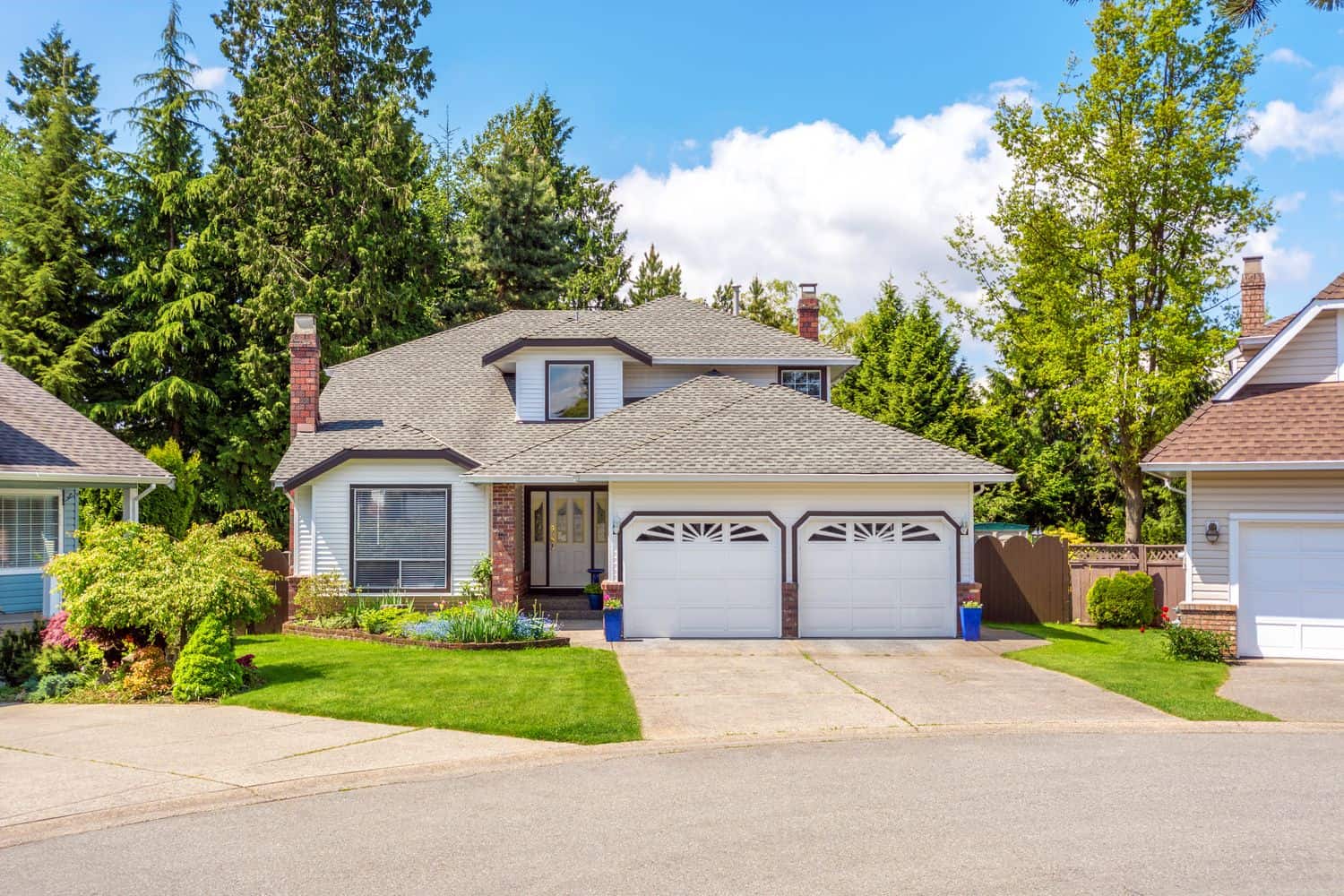
What Happens When You Force the Sale
When homeowners feel heavy artificial pressure to sell quickly just to secure their next primary residence, execution quality drops immediately. Rushing a residential sale forces you to accept major market compromises. These choices permanently destroy your accumulated household equity.
Enforcing a forced timeline typically creates severe transactional vulnerabilities:
- Listing the physical property on the open market before executing vital staging, repairs, or paint updates.
- Pricing the asset aggressively below real comparable sales just to guarantee an immediate buyer offer.
- Accepting highly restrictive buyer terms or heavy credit demands to prevent the escrow from falling out.
- Surrendering your ultimate negotiating leverage with buyers who recognize your timeline distress.
The final outcome isn’t just a faster transaction cycle. It is an un-optimized liquidation that leaves tens of thousands of dollars on the closing table. Private equity bridges prevent this wealth destruction.
Q: Why do consumer owner-occupied bridge loans take two weeks to fund while investment loans take only days?
A: The divergence in funding speed stems directly from federal consumer compliance statutes. When a loan is secured by a borrower’s primary residence, it triggers the Truth in Lending Act and strict TRID disclosure timelines. Lenders must observe mandatory federal cooling-off periods and cooling-off intervals that cannot be legally waived. Business-purpose flip loans or commercial notes are exempt from these mandates. Private platforms must navigate these residential consumer protections meticulously, which establishes a baseline two-week disclosure runway to guarantee execution safety.
How Bridge Loans Change the Equation
An owner-occupied bridge loan completely rewrites this dynamic. It allows active homeowners to unlock the existing equity trapped inside their current home before it sells. This cash injection removes immediate time urgency from the buying process completely.
By tapping this debt structure strategically, move-up buyers can secure the new property first without executing a sale contingency. They gain the luxury of time to properly prepare, stage, and market their departing residence. Decisions are driven by portfolio logic rather than arbitrary contractual deadlines. The transition transforms from a panicked sprint into a highly controlled, intentional relocation strategy.
This identical strategy applies to complex commercial transactions as well. Commercial hard money lenders use bridge capital to help investors secure new multi-family assets before their previous 1031 exchange properties have formally closed, ensuring the investor never misses a tight closing window.

Related Blog Posts
Why Your Move-Up Clients Need a Bridge Loan
Understand how bridge financing empowers homeowners to secure their next primary residence without an aggressive sale contingency.
How to Compete Without Selling First
Learn the precise mechanics behind purchasing a new replacement property while strategically floating your existing asset.
Buy/Sell Timing Gap: The Common Homeowner Problem
Discover how bridging capital prevents forced price reductions and panicked liquidations during residential transitions.
Own Two Homes Temporarily: Bridge Loan Overlap
Explore the structural benefits of dual-ownership and how to successfully manage the temporary financial gap.
Why This Matters in Competitive Markets
In aggressive, supply-constrained real estate arenas like Los Angeles and the San Francisco Bay Area, choice inventory disappears instantly. Sellers facing multiple offers will automatically throw out any bid burdened by a home sale contingency. Tying your purchase to an un-executed sale looks incredibly risky to a listing agent.
Using private bridge financing transforms your offer profile completely. It allows you to act the exact moment the ideal property surfaces, maintaining total flexibility on the disposal side of your balance sheet. You completely bypass the need for temporary rentals, double moves, or storage units. It doesn’t focus on hyper-accelerating the entire process. It simply removes the systemic pressure to compromise your equity under duress.
Short-Term Cost vs. Long-Term Outcome
Many traditional homeowners hesitate when evaluating hard money bridge programs because they fixate entirely on short-term closing costs. They look at upfront origination points and interest rates while ignoring the broader financial architecture. This narrow calculation misses the true cost of alternative options.
The real comparison requires analyzing the overall net wealth outcome. Paying a minor, temporary premium for private debt flexibility prevents you from making a forced twenty-thousand-dollar price reduction on your departing residence just to secure a cash offer. It guarantees you capture your target replacement property without overpaying to appease an impatient seller. Control over transaction timing consistently yields a vastly superior net financial position once both escrows record cleanly.
Q: How does Proposition 19 impact move-up buyers over the age of 55 who are looking to relocate within California?
A: Proposition 19 provides an incredible tax advantage for eligible homeowners over 55, severely disabled individuals, or natural disaster victims. It allows you to transfer the lower taxable property tax base of your original home to a newly purchased primary residence anywhere in California up to three times. If the replacement home carries a higher market value than the old one, the difference is simply added to the transferred base. A private bridge loan provides the immediate non-contingent capital required to secure that new property, giving you the necessary execution speed to lock in your replacement home and capture these generational tax exclusions smoothly.
A Better Approach for Buyers and Agents
For real estate agents and independent mortgage brokers, managing client moves requires an important psychological shift. Whether you are coordinating high-end residential relocations or structuring complex transitions using commercial hard money lenders, lining transactions up perfectly is a risky strategy. One minor title cloud or buyer financing delay will cause the entire sequence to collapse instantly.
The more professional approach involves decoupling the buying and selling cycles entirely. Instead of asking how to force timelines into a perfect, dangerous alignment, the better query is simpler. How do we remove timeline pressure from the file entirely? For homeowners operating in expanding metros like Sacramento, the operational rule remains constant. The ultimate goal isn’t merely executing a move. The goal is moving with total strategic control.
This exact operational mindset applies to non-profit entities as well. When religious organizations need to relocate their congregation, they utilize commercial loans for churches to purchase their new sanctuary before selling their old assembly hall. This prevents the congregation from being displaced during the transition, highlighting the power of bridge capital across all real estate sectors.

Final Thoughts
The ideal replacement home rarely surfaces when your current listing reaches a flawless position on the market. Real estate opportunities move on their own independent schedules. Bridge financing grants homeowners the exact structural insulation required to move forward safely. It protects both sides of your personal balance sheet instead of sacrificing one to satisfy the timeline constraints of the other.
Need a precise quote or a reliable second opinion on a complex scenario? We offer completely free consultations for active mortgage brokers and real estate borrowers. Contact us directly here.
Curious about how our internal underwriting process works? Check out our dedicated FAQ page for direct answers to common private lending questions.
Where can you find our latest market updates? Remember you can also follow and connect with Vantex Capital Group on Linkedin and X.
Frequently Asked Questions
How can a bridge loan from Vantex Capital solve my timing issues when buying a new home before selling my old one?
A bridge loan allows you to unlock the equity in your current residence to fund the down payment or purchase of your new home. By removing the need for a sale contingency, you can secure your next property immediately and sell your existing home on your own timeline for the best possible price.
What are the benefits of using hard money for an owner-occupied bridge loan in competitive markets like San Diego or Los Angeles?
In fast-moving California markets, speed is everything. Traditional bridge loans from banks can take weeks to approve. Vantex Capital provides rapid, asset-based underwriting, allowing you to act decisively when the right home appears, ensuring you don’t lose out to all-cash buyers or non-contingent offers.
Can real estate investors use commercial hard money to bridge gaps between acquisitions and property sales?
Absolutely. We offer robust commercial hard money solutions for investors who need to move quickly on new opportunities while waiting for a current asset to sell or stabilize. Our flexible terms and fast funding help you maintain momentum and scale your portfolio without the friction of conventional banking.
Why is private money a strategic tool for homeowners who don’t want to rush their home sale?
Rushing a sale usually leads to leaving money on the table through aggressive pricing or poor staging. Private money provides the capital you need to move now, giving you the luxury of time to properly prepare, market, and negotiate the sale of your previous home to maximize your equity return.
How does Vantex Capital evaluate a bridge loan application compared to a traditional mortgage lender?
Traditional mortgage lenders focus heavily on income documentation, historical tax returns, and strict debt-to-income limits. Vantex Capital prioritizes the tangible asset value and the overall equity position of your real estate portfolio. This asset-based approach streamlines verification, enabling fast conditional approvals and transaction certainty without standard bank guidelines.
What is a non-contingent offer and why is it important?
A non-contingent offer is submitted without the condition that the buyer must sell their current home first. In competitive markets, sellers routinely reject contingent offers because they carry high execution risk. Using a bridge loan allows you to submit a non-contingent offer, making your bid much stronger.
How does cross-collateralization work for bridge loans?
Cross-collateralization allows a private lender to place a blanket lien across both your current home (the departing residence) and the new home you are purchasing. This leverages the accumulated equity in your old home to fully fund the acquisition of the new one without requiring you to drain your savings.
Will a bridge loan cover my monthly payments on both houses?
Many owner-occupied bridge loans can be structured with an interest reserve account built directly into the loan amount. This reserve covers the monthly debt service for the duration of the loan, ensuring you do not have to pay two mortgages out of pocket while waiting for your old home to sell.
Can a private trust loan help facilitate an inherited property buyout?
Yes. When siblings inherit an estate, one sibling may want to keep the house while the other wants cash. Conventional banks typically refuse to lend to an irrevocable trust. A private lender can issue a short-term trust loan to execute the buyout, allowing the family to settle the estate efficiently.
What is TRID and why does it delay residential loan closings?
TRID (TILA-RESPA Integrated Disclosure) is a federal consumer protection regulation designed to ensure retail homebuyers fully understand their loan terms. It mandates specific waiting periods and disclosure timelines. Because owner-occupied bridge loans fall under consumer protection laws, private lenders must adhere to a strict two-week closing timeline to remain compliant, unlike business-purpose loans which can close in days.