

A California investor looking at a duplex, triplex, or fourplex is not buying a single-family rental, but the property is also not underwritten like a larger apartment building. That distinction matters when the property needs short-term financing.
Consider a triplex with two occupied units and one vacant unit that needs substantial work. The existing rents are below the investor's target, and the seller wants to close before conventional underwriting is complete. It may still be a sensible investment, but it is not operating as intended.
That is where hard money loans for small multifamily properties can be useful. For qualifying business-purpose transactions, short-term financing may help an investor acquire, refinance, renovate, or stabilize a 2-4 unit property while working toward a sale or longer-term loan.
Vantex treats duplexes, triplexes, and fourplexes as residential investment properties rather than commercial apartment buildings. Investors who need broader product information can review Vantex's residential hard money loan program.
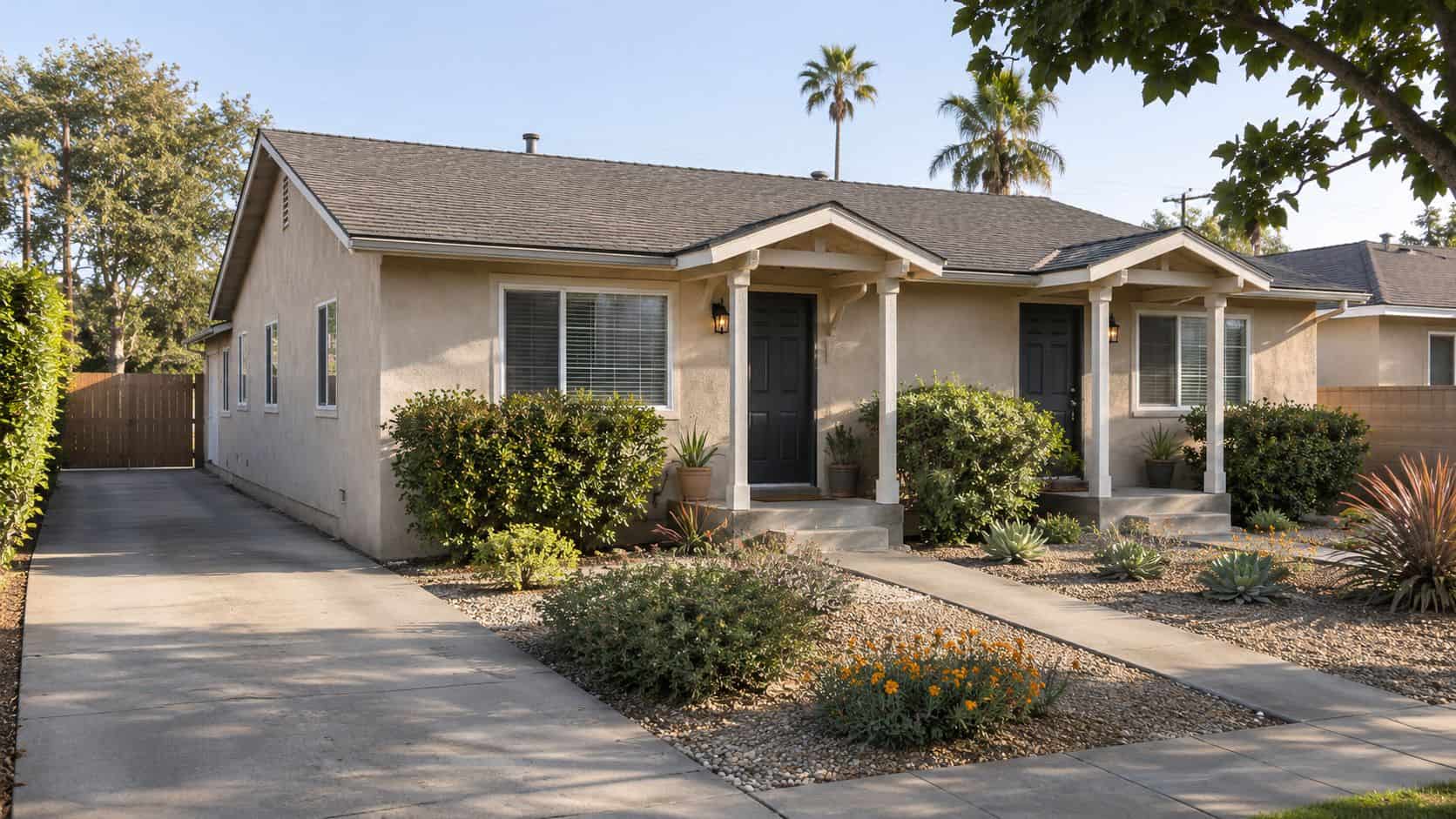
Is a Duplex, Triplex, or Fourplex Residential or Commercial?
Investors often use the word multifamily for anything with more than one unit. From a lending standpoint, however, unit count changes the classification.
A duplex has two units. A triplex has three. A fourplex has four. Vantex currently places all three within its 1-4 unit residential investment-property category. Once a property reaches five or more units, it moves into commercial real estate underwriting.
Multifamily may accurately describe the investment strategy, while 1-4 unit residential describes the lending classification. A fourplex can produce income from several tenants and still fall within Vantex's residential investment-property guidelines.
This is one reason 2-4 unit hard money loans deserve their own discussion. The investor may think like a multifamily owner, but the financing framework remains residential.
Business Purpose Matters More Than the Property Label
A duplex or triplex is not automatically a business-purpose loan.
All units held for investment
An investor buys a triplex and plans to rent all three units. That can fit a business-purpose investment scenario, subject to the complete loan review.
Borrower plans to occupy a unit
If the buyer intends to live in one unit as a primary residence, consumer-lending considerations may apply. It should not be presented as ordinary business-purpose hard money.
This matters with duplexes and fourplexes because a borrower may view the property as an investment while planning to occupy part of it. The intended use can change the regulatory framework.
For that reason, a duplex hard money loan should be discussed differently for a strictly non-owner-occupied property than for one the borrower intends to occupy.
Financing a California Duplex, Triplex, or Fourplex?
Vantex can review qualifying non-owner-occupied 2-4 unit investment-property scenarios, including purchases, refinances and renovation-related transactions.
Discuss Your Loan Scenario View Residential Hard Money LoansWhy Investors Use Hard Money for 2-4 Unit Properties
Short-term financing is usually useful because there is a specific problem that permanent financing does not solve on the required timeline.
Closing deadline
The seller may require a closing before conventional underwriting can realistically be completed.
Repairs or unfinished work
One or more units may require renovation before the property fits the investor's long-term financing strategy.
Vacancy or refinance timing
The property may need time for lease-up, stabilization, completion of a refinance, or replacement of maturing debt.
The borrower should be able to explain what must happen during the loan term and what is expected to repay the debt.
For some investors, 2-4 unit hard money loans provide time to acquire and improve the property before permanent financing. For others, the loan solves a refinance or construction-completion problem.
Partial Vacancy Does Not Mean the Whole Property Is Vacant
Occupancy on a small multifamily property is more nuanced than a simple occupied-or-vacant label.

| Property | Example Current Condition | Financing Question |
|---|---|---|
| Duplex | One long-term tenant, one recently vacated unit | Can the investor carry the property while renovating and re-leasing the vacant side? |
| Triplex | Two paying tenants, one unit under construction | How do remaining repairs, current rent and the planned exit fit together? |
| Fourplex | Three occupied units, one vacant unit needing renovation | Does the full collateral and business plan support the requested short-term loan? |
The lender needs to understand how the property performs as a whole, including rents, vacancy, repairs, carrying costs, and the exit.
An empty unit may be available for immediate work without displacing a tenant, but the missing rent also increases carrying pressure.
A fourplex hard money loan should therefore be evaluated around the entire collateral and business plan, not just the fact that one unit is vacant.
Each Unit Can Have a Different Renovation Timeline
Renovating a small multifamily property often means working around several leases rather than one vacant house.

In a duplex, one side may be empty and ready for renovation while the other remains occupied. In a triplex, one unit might turn this month, another in four months, and the third not at all during the short-term loan. A fourplex creates even more combinations of occupancy, unit condition, and lease timing.
Those differences affect contractor scheduling, rental income, carrying costs, and refinance timing. Assuming every unit can be renovated immediately can underestimate the full transition.
For a duplex hard money loan, the practical question may be whether enough time and capital exist to complete the vacant side, lease it, and then address the second unit when appropriate.
If construction is substantially underway and the immediate problem is completing the remaining work, see Vantex's guide to hard money to finish construction.
Rental Income Matters, but It Is Not the Only Thing Vantex Reviews
A 2-4 unit property may generate rent from several units, but current income is only one part of the credit decision.
Vantex describes its residential hard money approach as collateral-focused. Property value, protective equity, borrower payment ability, and a feasible exit strategy all matter. On a small multifamily transaction, the lender may also want to understand current leases, occupancy, property condition, purchase price, existing debt, renovation scope, and the borrower's plan after the short-term loan.
Property-side questions
- What is the property worth today?
- How many units are occupied?
- What work remains?
- What rent is currently being collected?
Loan-plan questions
- How much is being requested?
- Can the borrower service the loan?
- What must change during the loan term?
- What is the realistic repayment strategy?
A triplex hard money loan is not approved simply because tenants are paying rent. The property, leverage, borrower circumstances, and repayment plan still have to make sense.
A Duplex Renovation Can Look Different From a Fourplex Renovation
Duplex
One unit may remain occupied while the investor renovates the other, preserving some rental income during the work.
Triplex
Three separate lease schedules can create a staggered renovation plan rather than one clean start-and-finish construction window.
Fourplex
More units can mean more potential income, but also more leases, unit conditions, repair schedules and turnover variables.
The lender and borrower should understand the condition and plan for each unit rather than treating every small multifamily property the same.
This is one place where hard money loans for small multifamily properties can differ from financing a single vacant rental. Several units may be contributing to the property at different stages of renovation or occupancy at the same time.
Value and Equity Still Matter Across the Whole Property
Even though there are several units, the loan is secured by one property.
The lender is not making a separate loan against each apartment. The analysis looks at the collateral as a whole, including purchase price, current value, existing debt, requested loan amount, condition, renovation needs, and the borrower's equity position.
Projected improvements can be relevant, but they should not replace a realistic view of today's collateral. If the plan assumes rent growth or a higher future value, the borrower should understand what happens if those improvements take longer or produce less value than expected.
Vantex publishes general residential lending parameters on its California lending areas and guidelines page. Actual leverage, pricing and structure depend on the specific property, equity, borrower circumstances and exit strategy.
Have a 2-4 Unit Deal That Does Not Fit Long-Term Financing Yet?
Send Vantex the property address, unit count, current occupancy, requested amount, renovation needs and proposed exit for an initial review.
Request a Free Loan ConsultationThe Exit Strategy Changes With the Investor's Plan
The repayment strategy should match what the investor intends to do with the property.
Renovate and sell
The borrower improves the property and expects a qualified sale to repay the short-term financing.
Renovate, rent and refinance
The investor improves condition and occupancy, then seeks appropriate longer-term investment-property financing.
Temporary refinance
Hard money replaces existing debt while the owner prepares another credible permanent financing or sale strategy.
Sale proceeds, permanent financing, or another credible repayment source should be considered before the hard money loan closes.
For investors planning to stabilize and hold, Vantex's guide to rental property bridge loans explains the broader transition from temporary financing to permanent debt.
A Small Multifamily Property May Not Be Ready for Permanent Financing Yet
A duplex, triplex, or fourplex can be worth owning even when it is not yet a strong fit for a long-term lender.
One unit may still need repairs, deferred maintenance may remain, or a recent vacancy may have reduced current income. The borrower may also need more time to establish leases or complete renovation.
The permanent lender may still be waiting on appraisal, title, documentation, or another requirement.
The goal is not simply to buy time. The borrower should be able to identify what is preventing permanent financing today and what is expected to be different before the short-term loan matures.
That is another reason hard money loans for small multifamily properties can fill a temporary gap. The short-term loan can address the property as it exists today while the investor works toward the next financing stage.
Hard Money Can Also Solve a Refinance Problem
Not every 2-4 unit transaction begins with a purchase. An owner may face a balloon maturity, need to buy out a partner, finish construction, or use equity for a legitimate business purpose.
A refinance should still be supported by sufficient collateral, business purpose, payment ability, and a credible exit.
Vantex's article on refinancing maturing balloon loans covers that timing problem in more depth.
A Triplex Financing Example
Consider a hypothetical California triplex with two occupied units and one vacant unit.
The seller wants a relatively quick closing. The vacant unit needs substantial work, and existing rents are below the investor's projected stabilized level. The plan is to purchase, renovate the vacant unit, lease it, address deferred maintenance, and prepare for permanent financing.
Short-term financing may give the investor time to carry out that plan if the property, leverage, borrower circumstances, and exit support the request.
After closing, the investor renovates and leases the vacant unit. Existing leases may still need to expire before further improvements can be made.
Now assume the renovation takes longer, the new rent is below projection, the future lender requests more documentation, and the appraisal comes in low. None of those issues automatically destroys the deal, but they show why the financing should be based on a realistic range of outcomes.
Vantex Has Funded Both Duplex and Triplex Transactions
Published funded-loan examples can provide useful context, as long as they are not treated as promises that a new transaction will receive the same structure.
Triplex Refinance
Vantex's published funded-loan history includes a triplex refinance used to finish construction.
Duplex Purchase
Vantex also publishes a Torrance duplex purchase as a residential investment-property transaction.
Review Vantex's published funded hard money loan examples for additional historical transactions.
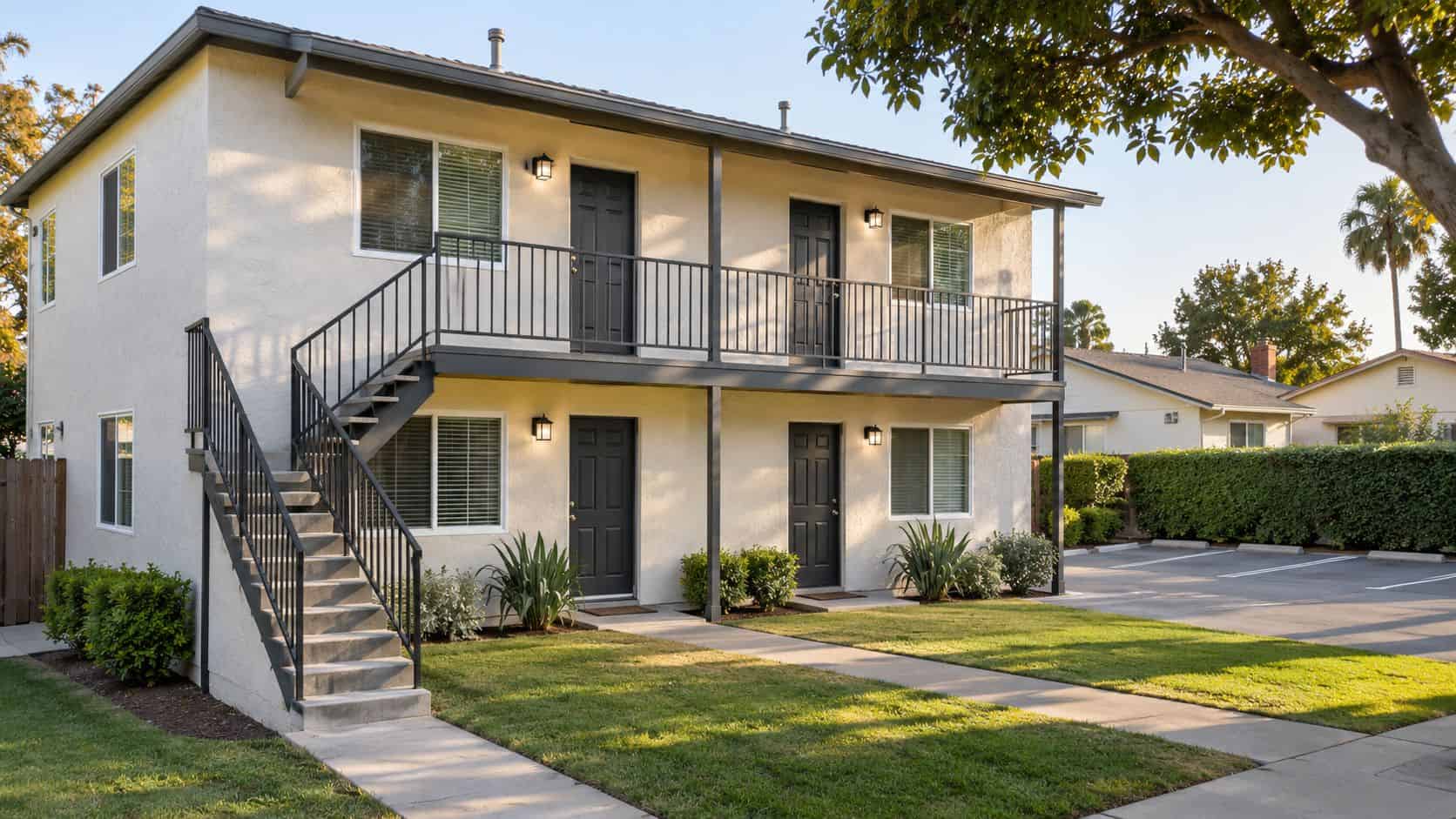
A Fourplex Is Still Not the Same as a Five-Unit Apartment Building
The difference between four and five units is important.
Residential investment classification
Under Vantex's current guidelines, a non-owner-occupied duplex, triplex or fourplex falls within the residential investment-property framework.
Commercial real estate classification
A five-unit or larger apartment property moves into commercial real estate underwriting, where income analysis, valuation and loan structure may differ.
That change can affect how income, value, operating performance, and permanent financing are analyzed, even though the borrower may think of both assets as multifamily investments.
Financing a fourplex hard money loan therefore belongs in a different underwriting framework from a loan secured by a five-unit apartment building.
What to Review Before Buying a 2-4 Unit Investment Property
Before closing, the investor should understand both the real estate and the financing plan.

- Property address and legal unit count
- Current occupancy by unit
- Current rents and lease expiration dates
- Condition of each individual unit
- Deferred maintenance
- Repair or renovation budget
- Purchase price and current value
- Existing debt, if any
- Expected stabilized rents
- Taxes and insurance
- Title or lien issues
- Planned holding period
- Expected sale or refinance
- Downside or backup repayment strategy
This helps test whether the short-term financing matches the work the property needs.
What to Send Vantex for a Small Multifamily Loan Review
For an initial review, provide the property address, whether it is a duplex, triplex, or fourplex, the investment purpose, purchase price if applicable, estimated value, requested loan amount, existing debt, current occupancy, rent information, property condition, renovation needs, desired closing date, borrower experience, and intended exit.
It is also important to disclose whether the borrower intends to occupy any unit. That fact can materially change how the transaction is treated.
What problem prevents this 2-4 unit investment property from using the financing you ultimately want today, and what should be different by the time the short-term loan matures?
Vantex has published funded examples involving a San Diego triplex and a Torrance duplex. Those are historical transactions, not promises that a new request will receive the same terms.
Discuss a 2-4 Unit California Investment Property
If you have a qualifying non-owner-occupied duplex, triplex or fourplex, send Vantex the property details, current condition, requested amount and intended exit for review.
Get a Free Loan Consultation Explore Residential Investment FinancingHard Money Loans for Duplexes, Triplexes & Fourplexes FAQs
Can I use a hard money loan to buy a duplex in California?
A qualifying non-owner-occupied duplex may be considered under Vantex's residential investment-property guidelines. The property, leverage, borrower circumstances, business purpose, and repayment plan all matter.
Can hard money finance a triplex?
Yes, a qualifying investment triplex falls within Vantex's published 1-4 unit residential property category. A triplex hard money loan can be considered for purchase, refinance, renovation, or another supported business-purpose scenario.
Can I get a hard money loan for a fourplex?
A qualifying non-owner-occupied fourplex may be considered under Vantex's residential hard money guidelines. A fourplex hard money loan still depends on the full transaction rather than unit count alone.
Is a fourplex considered residential or commercial?
Under Vantex's current lending classification, 1-4 unit properties are treated as residential investment properties. Properties with five or more units fall into commercial real estate underwriting.
Can one or more units be vacant?
Potentially. Partial vacancy should be evaluated along with current rents, property condition, equity, carrying costs, renovation needs, borrower circumstances, and the proposed exit.
Can I renovate a duplex or triplex with hard money?
A qualifying transaction may involve renovation, but the exact structure and handling of renovation proceeds should be confirmed for the individual loan.
Can I live in one unit and use Vantex hard money?
Owner occupancy changes the analysis. Vantex's general hard money information is intended for business-purpose loans, while consumer-purpose or owner-occupied financing is subject to different rules and qualification requirements.
How is financing different once a property has five units?
At five or more units, the property moves from Vantex's 1-4 unit residential category into commercial real estate underwriting. Income analysis, valuation, loan structure, and permanent financing options may therefore differ.
Small Multifamily Financing Starts With the Property's Actual Use
The useful questions are straightforward: how many units are there, will the property be strictly investment use, what condition is it in today, and what does the short-term financing need to accomplish?
Hard money loans for small multifamily properties can be useful when a duplex, triplex, or fourplex needs time for acquisition, renovation, stabilization, or refinancing before the investor reaches the intended long-term outcome.
The strength of the financing plan depends on more than the number of rental units. Collateral value, equity, occupancy, payment ability, renovation needs, and a realistic exit all have to fit together.